When the mornings turn cold and the furnace kicks on for the first time, most of us are just glad to be warm. It's also a good moment to spend ten minutes on something that's easy to forget: carbon monoxide safety.
This isn't a scary topic, and it doesn't need to be. A few simple habits go a long way, and we'd like you to know them.
What carbon monoxide is, in plain words
Carbon monoxide, or CO, is a gas with no color and no smell. You can't see it or notice it on your own. According to the CDC, many everyday household items produce it, including gas- and oil-burning furnaces, portable generators and charcoal grills.
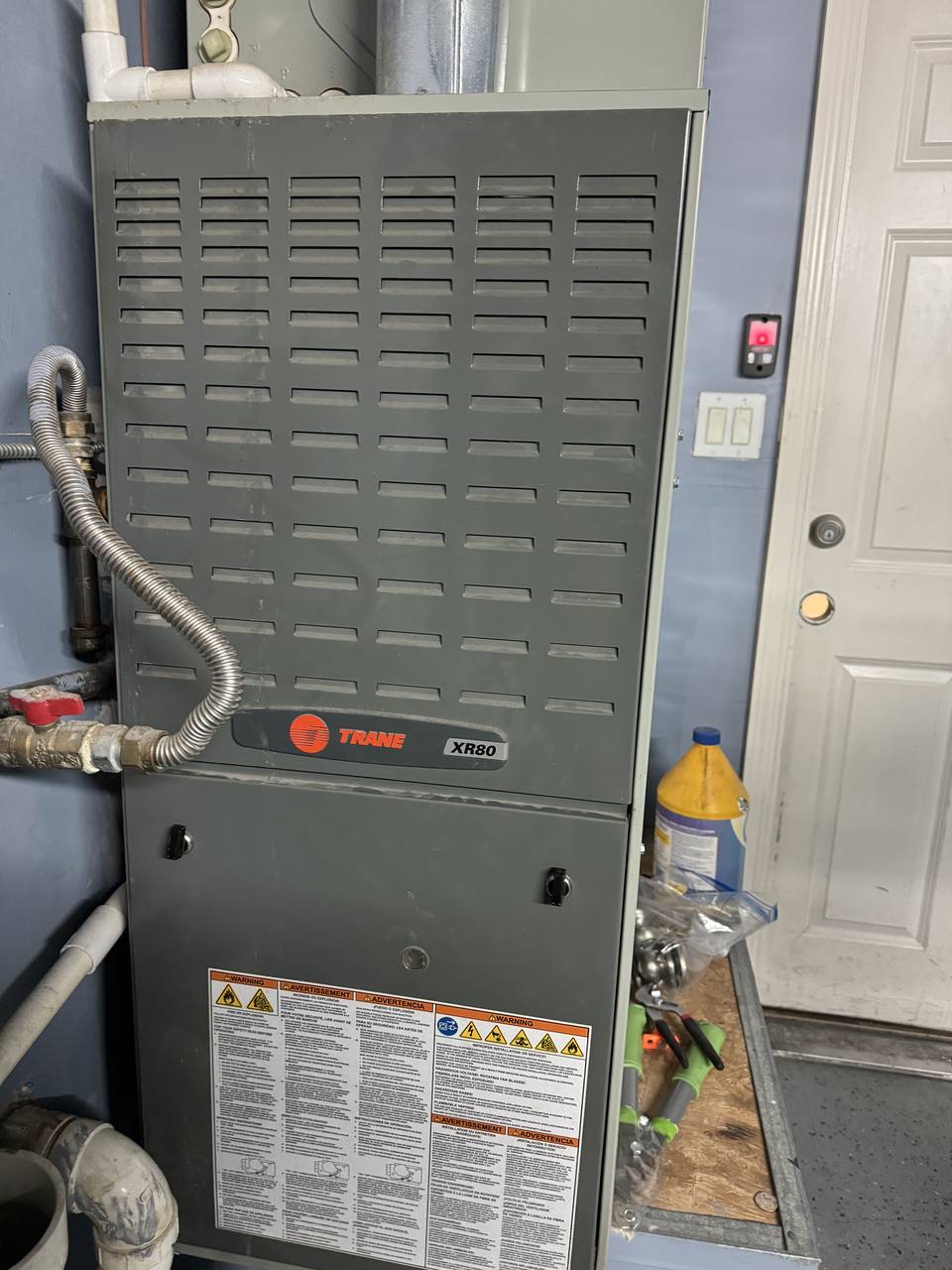
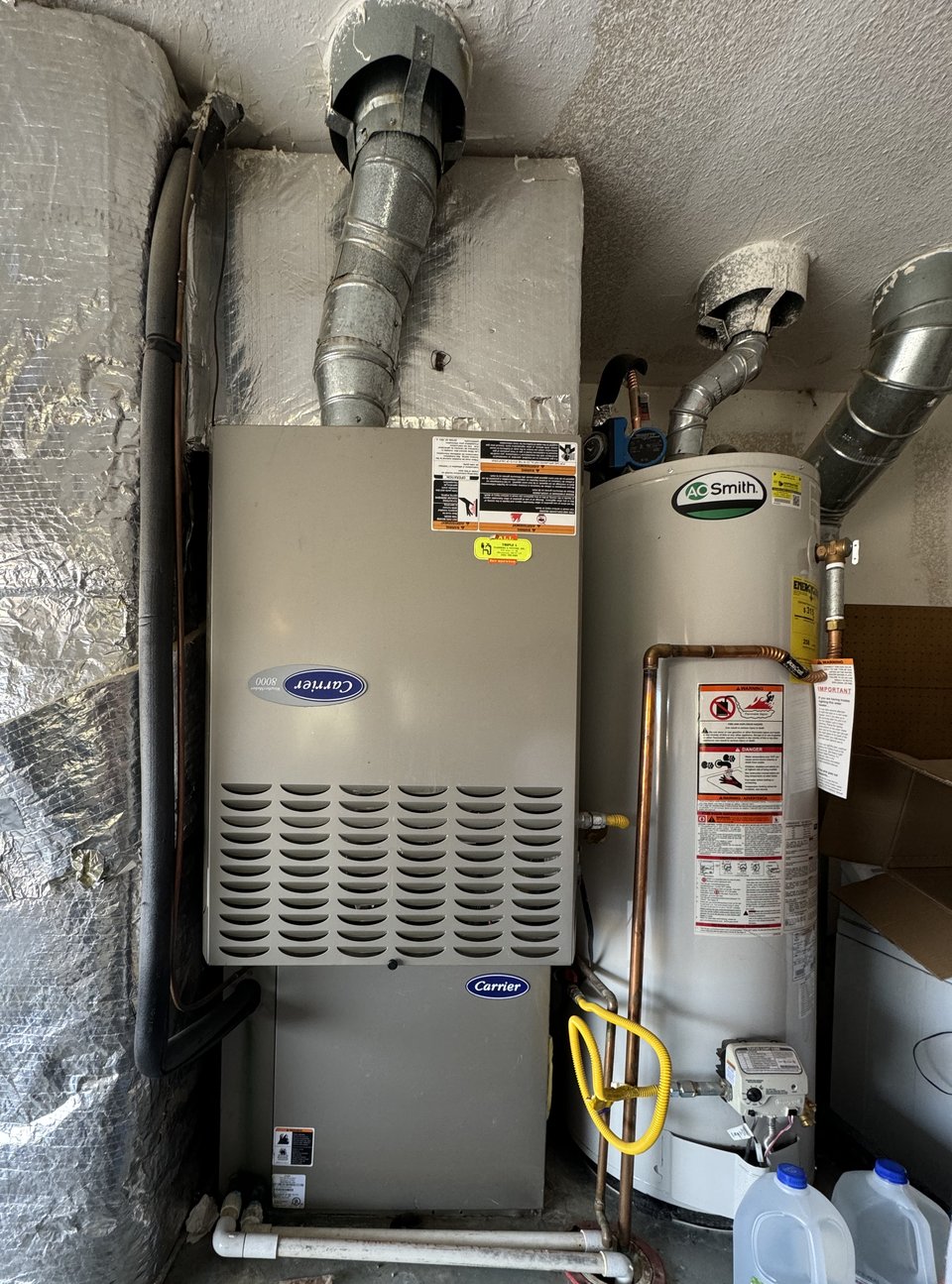
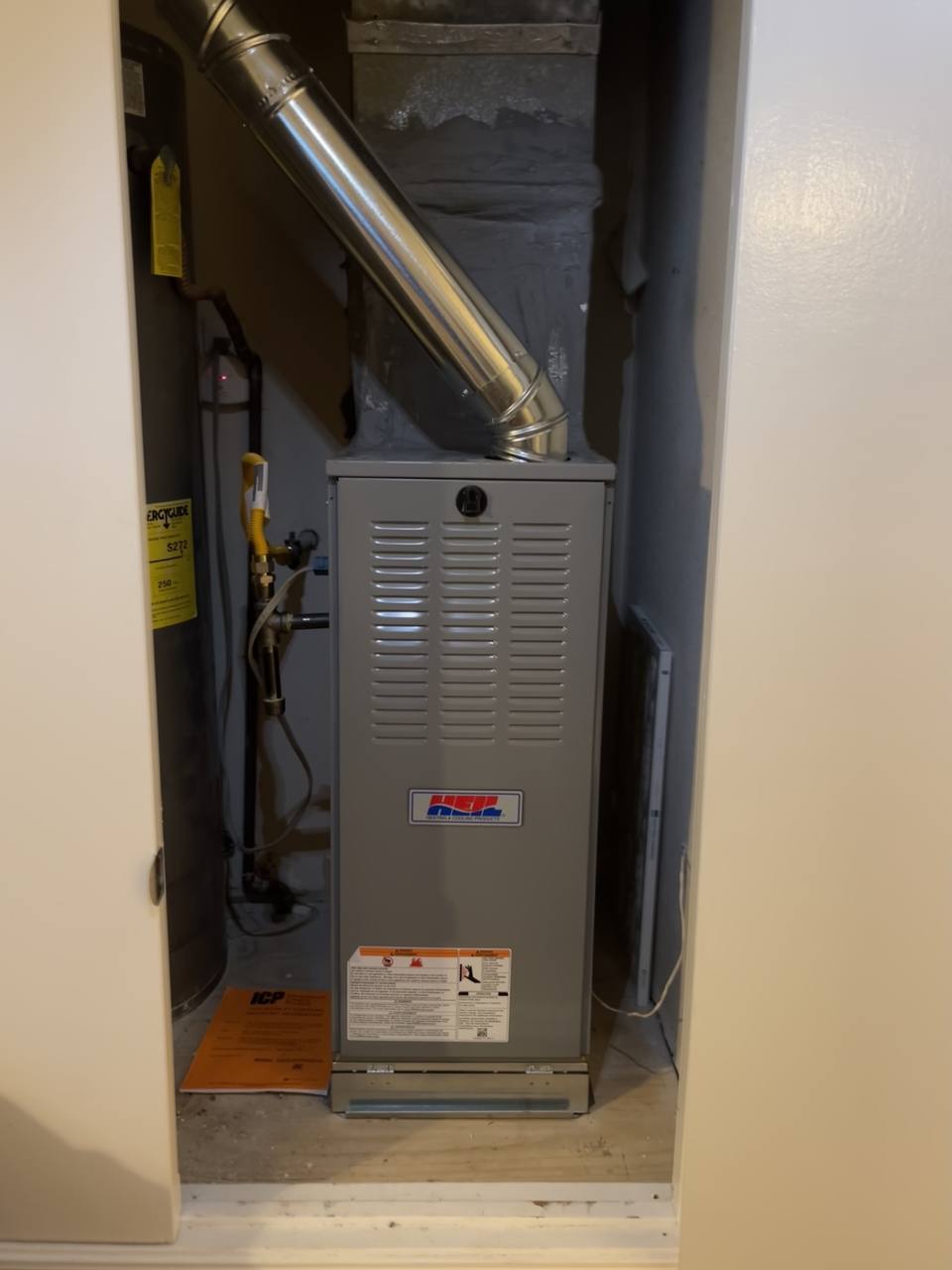
A furnace that is working properly is built to vent its exhaust safely outdoors. The goal of everything below is simply to make sure that keeps happening, and that you'd find out quickly if it ever didn't.
Start with working CO alarms
Alarms are your early warning, because your nose can't help you here. The CPSC recommends battery-operated CO alarms, or alarms with battery backup, on every level of the home and outside sleeping areas.
A few easy habits:
- Test them once a month. Press the test button and listen.
- Check the replace-by date printed on the back. The CDC says to replace a detector by the manufacturer's instructions or every 5 years.
- Check the batteries when you change your clocks in spring and fall.
Know the signs
The CDC lists the most common symptoms of CO poisoning as headache, dizziness, weakness, upset stomach, vomiting, chest pain and confusion. It often feels like the flu. One clue is that you may feel better when you leave the house and worse when you come back.
If that sounds familiar, don't wait it out. See the next section.
If an alarm sounds or you think it's CO
Please keep this one simple:
- Get everyone outside into fresh air right away. That includes pets.
- Call 911 from outside.
- Stay out until emergency responders say it's safe to go back in.
Don't stop to look for the cause. Getting outside comes first.
If you smell gas
If you smell gas, leave the house first. Don't flip light switches, use anything that could spark, or try to find the source. From outside, call 911 or your gas company.
What you can safely do yourself
Plenty of useful things are fine for a homeowner:
- Test your alarms monthly.
- Change your furnace filter on the schedule in your furnace's manual.
- Keep the furnace closet clear. No boxes, paint cans or laundry piled against the furnace.
- Keep vents and registers around the house open and unblocked.
What to leave to a licensed pro
Anything that involves the gas, the burners, the inside of the cabinet or the venting should be left to a qualified professional. Please don't take panels off, adjust gas parts, or try to clean the burner area yourself. It's not worth the risk, and that's what we're here for.
The CDC also recommends having your heating system serviced by a qualified technician every year.
What we do at Arrow Ridge Contracting
Every furnace startup we do includes a carbon monoxide test. We write the actual readings on the completed checklist you keep, so you can see what was measured instead of taking our word for it. The checklist also lists what we checked and anything we'd suggest following up on.
To be upfront about what that visit is: it's a furnace startup with a CO test. A heat-exchanger inspection is not included, and parts or repairs are separate and only done with your OK.
Want a hand? We're glad to help.
Questions are always welcome, even if you just want to know whether your alarms are in the right places. We're open 24 hours, and we reply to calls and texts within about 10 minutes.
Call or text Arrow Ridge Contracting: (505) 977-1880
Serving Albuquerque, Rio Rancho, Bernalillo and surrounding areas. Arrow Ridge Contracting LLC · Licensed, insured and bonded.
Sources: CDC, "Carbon Monoxide (CO) Poisoning Basics," https://www.cdc.gov/carbon-monoxide/about/index.html. CPSC, Carbon Monoxide Information Center, https://www.cpsc.gov/Safety-Education/Safety-Education-Centers/Carbon-Monoxide-Information-Center. Both pages were checked Nov 14, 2026. This article is general safety information, not a substitute for emergency services or a professional inspection.